
How to Tackle an Interview Edit
Interview content is having a moment. Exec POVs, customer testimonials, employee spotlights, man-on-the-street Q&As–scroll any feed and you'll hit one within seconds. We’ve edited hundreds of these and while every one of these formats feels different, we’ve found they all share the same editing DNA. Here's our breakdown of how to approach an interview edit, start to finish.
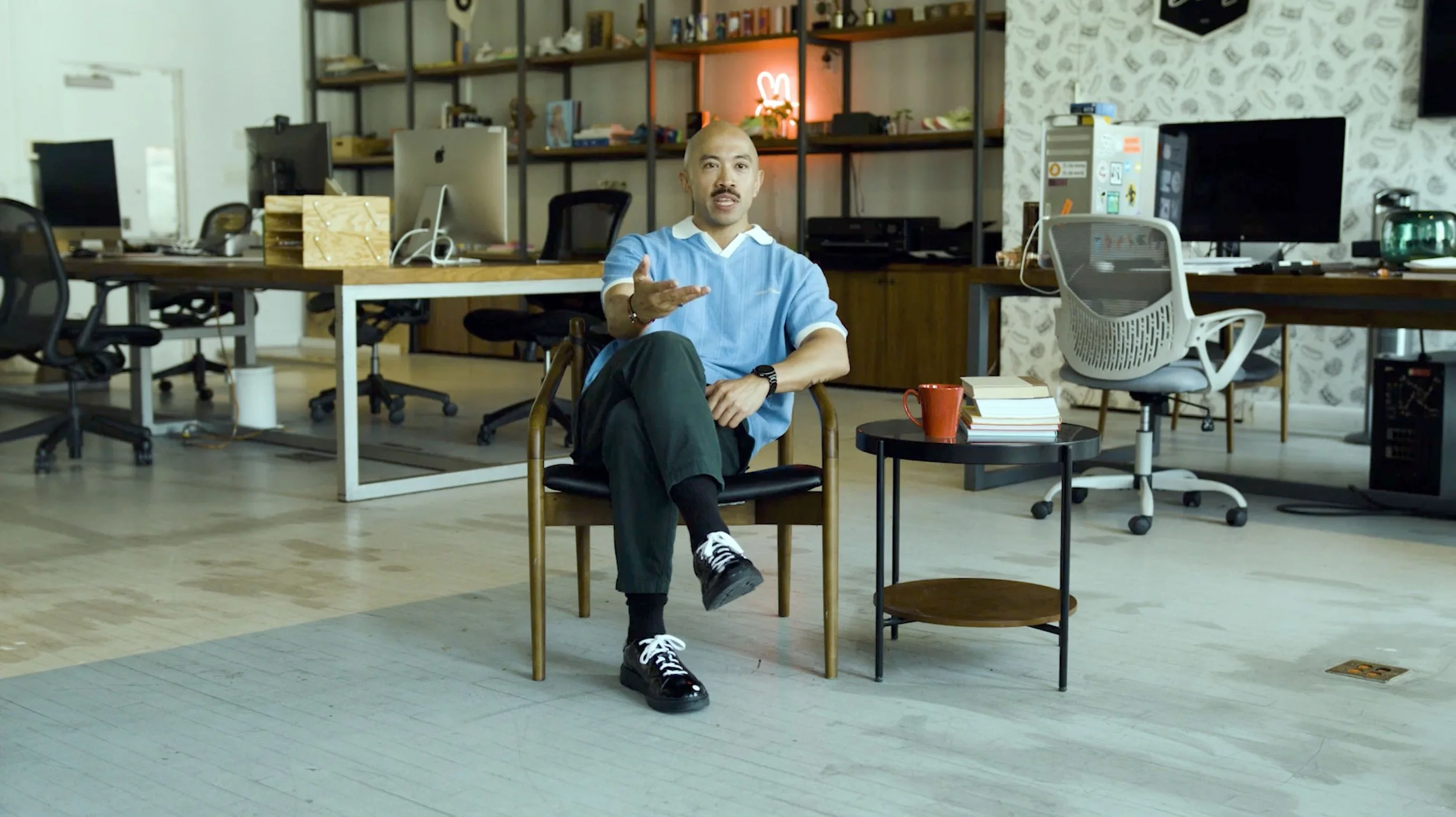
Start With the Story, Not the Footage
If we didn’t shoot the interviews, the first thing we ask for is the creative deck behind the shoot. If there isn’t one, no problem, we can help establish the creative direction. Either way, before we start pulling selects, we need to understand the story we’re trying to tell:
What is the goal of the content?
Who will watch it?
Where will it live?
Is this a one-off, or part of a series?
What do we want the viewer to think, feel, or do after watching?
Is a broll or motion graphic strategy needed to tell the story?
Find the Story in the Interview
It’s rare for interviews to arrive in perfect narrative order. That's where editorial judgment comes in. We review the footage, pull selects, identify recurring themes, and look for the moments that feel authentic, surprising, emotional, insightful, or simply impossible to scroll past.
At Team Thirteen, we believe in maintaining humanity when editing an interview. A technically perfect interview isn't always an engaging one. Over-editing can strip away the pauses, reactions, humor, and imperfections that make someone relatable. We’ve learned that the strongest sound bite isn't always the most polished answer; sometimes it's the unexpected phrase, laugh, pause, or imperfect moment that makes someone feel real. Our goal isn't to make people sound perfectly scripted. It's to make them sound like the most compelling version of themselves.
Build the Narrative
Once the strongest moments have been identified, we start building the narrative. Our Editor and Creative Director work together to create a solid story with a strong opening hook, a meaty middle, and a closing sound bite to make the story memorable. That might mean rearranging responses, combining moments, or trimming a five-minute answer down to the 15 seconds that say it best—while preserving the speaker's intent and natural voice.
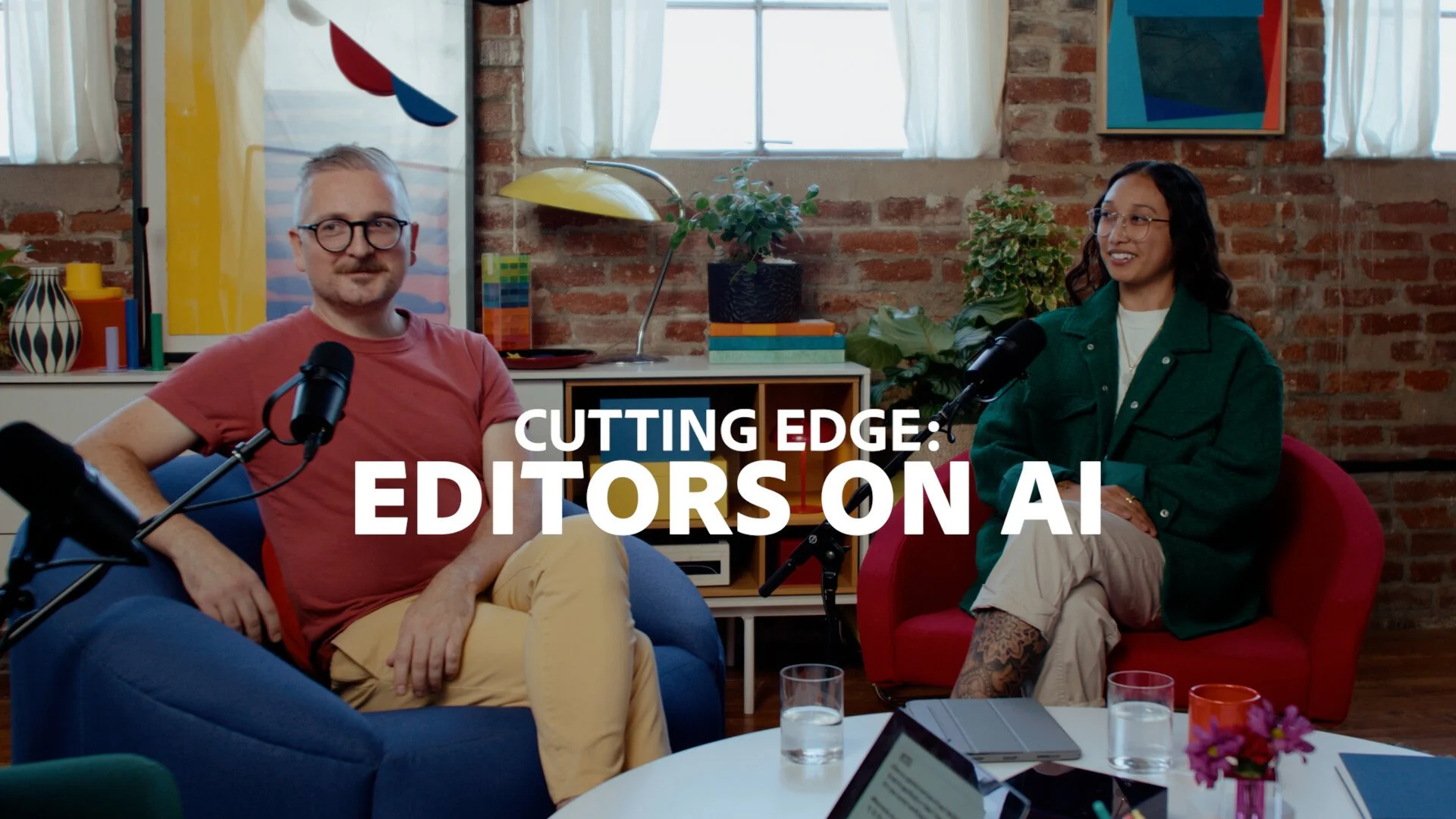
Edit for the Platform
Where your interview will live should influence the edit. A 30-second executive POV on LinkedIn needs to establish its premise quickly, while a three-minute customer story has room to breathe. A series benefits from structural consistency between episodes. And content intended to live across multiple platforms may require different runtimes, aspect ratios, hooks, captions, and pacing—not simply a resized version of the same edit.
The Details Are the Edit
Every interview edit is an act of creative problem-solving. Editing magic isn't reserved for beauty shots and b-roll; it's in the pause you choose to keep, the rhythm you build out of someone simply talking. The best editors find the story hiding in the raw, unpolished truth of a conversation and shape it into something that moves people. It’s important to see creative opportunity in every type of content that lands on your timeline.